

Geothermal Energy Simply Explained: What Is It and How Does It Work?
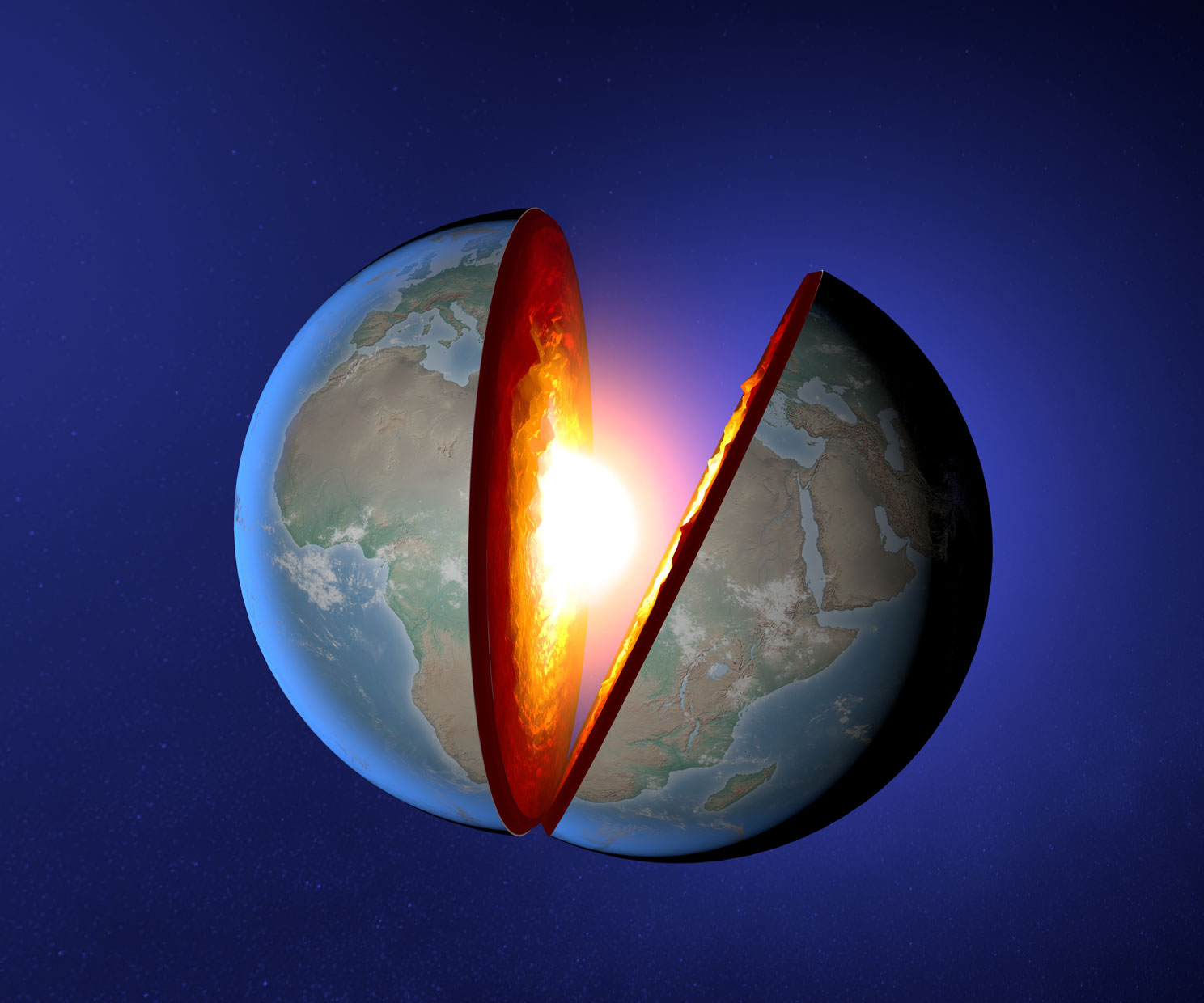
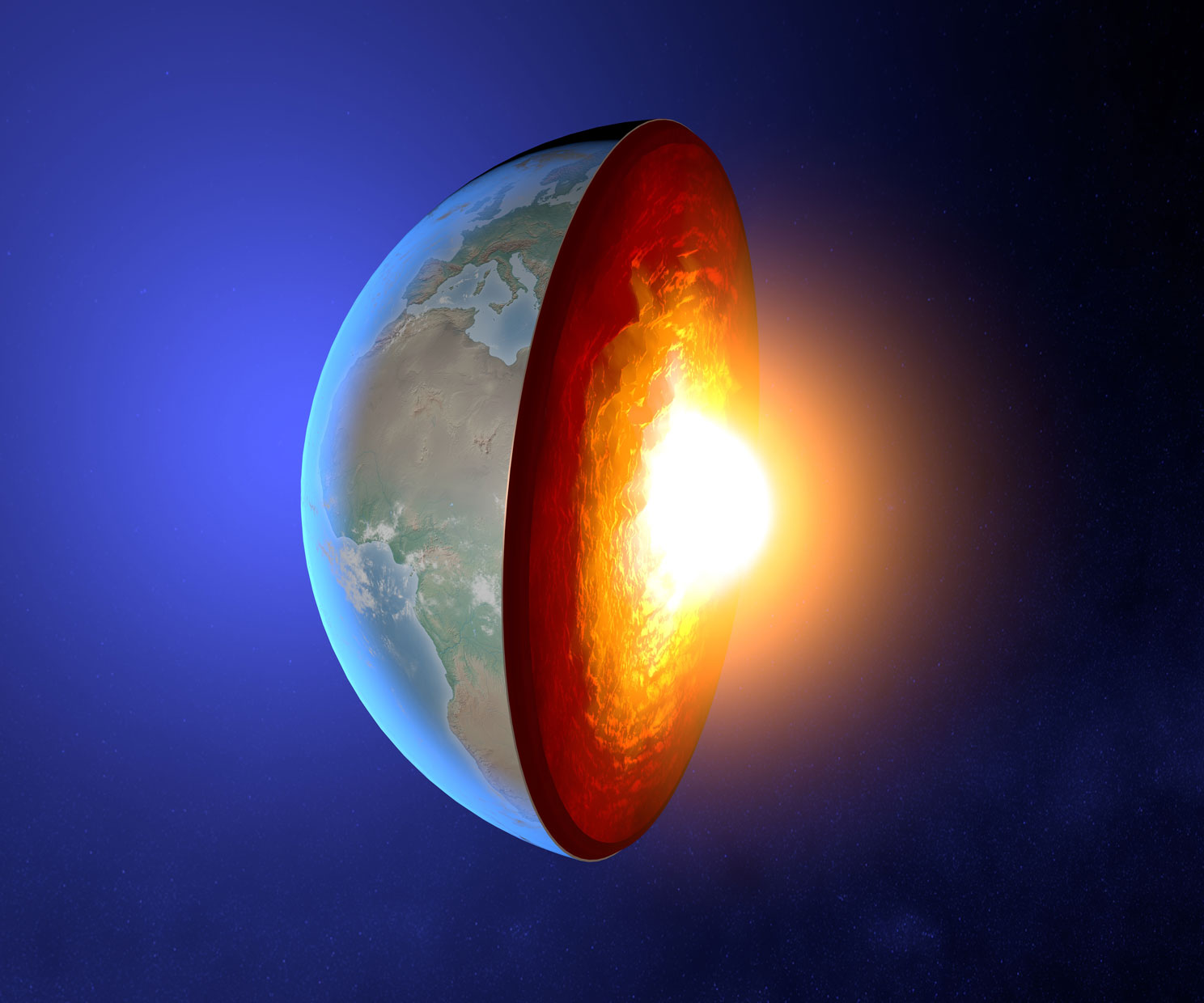
Geothermal energy is heat stored in the Earth’s interior. The Earth’s core reaches approximately 6,000 °C – and even at shallow depths, the ground maintains a constant temperature of around 8–12 °C year-round. This natural, renewable energy source can be used with a geothermal heat pump for heating, cooling and hot water supply – independent of seasons, weather conditions and fossil fuels.
How Does a Geothermal System Work?
A geothermal system consists of three core components:
- Heat source in the ground – geothermal probe, horizontal ground collector or groundwater well
- Heat transfer fluid (brine) – a water-glycol mixture that transports heat from the ground to the heat pump
- Heat pump – raises the temperature level and distributes heat in the building (radiators, underfloor heating, hot water)
Principle: The brine circulates through the geothermal probe in the ground, absorbs heat there and transfers it to the heat pump. The heat pump converts this into usable heating energy – similar to a refrigerator, but in reverse.

Types of Geothermal Systems
Geothermal Probes (Vertical Collectors)
The most common and space-efficient method: a certified drilling company bores vertically into the ground – typically 80 to 200 metres deep, deeper where required (Geser Erdwärme installed the world’s deepest documented PE probe at 706 m in Oftringen, Switzerland in 2007). A plastic probe (usually U-shaped, diameter DA32 to DA50 and larger) is inserted into the borehole and the annular space is permanently sealed with grouting material.
Advantages: Minimal surface area required · high efficiency · stable temperatures year-round
Horizontal Ground Collectors
Plastic pipes are laid horizontally at approximately 120 to 150 cm depth, below the frost line. For a modern single-family home, approximately 150 to 200 m² of collector area is needed. The area must not be built over.
Advantages: Lower installation cost · no drilling required
Disadvantage: Large surface area required · some seasonal temperature variation
Groundwater Systems (Open Systems)
Groundwater is drawn directly and fed to the heat pump via a supply well. Highly efficient – but requires extensive hydrogeological investigation and strict regulatory approval.
Advantages: Highest efficiency of the three systems
Disadvantage: High planning effort · regular maintenance required
Can I Use Geothermal Energy in an Existing Building?
Yes – virtually any building can be supplied with geothermal energy today, including existing buildings. Key points to clarify when retrofitting:
- Which system (probe, collector, well) suits the property?
- Is there sufficient space for drilling equipment access?
- What is the existing heating system – can it be retained?
- Is improving building insulation worthwhile?
Important: Existing radiators can be connected to the heat pump – underfloor heating is not mandatory. What matters is that the system flow temperature is sufficiently low (ideally below 55 °C). A professional assessment is recommended.
Geothermal Energy in Bavaria and the Allgäu Region
The Allgäu and Westallgäu regions offer favourable geological conditions for geothermal installations. However, an individual site assessment is always necessary. In Bavaria:
- Permit requirement: Geothermal drillings require notification and permits under Bavarian law.
- Responsible authority: The lower water authority (Untere Wasserbehörde) of the relevant district issues the water law permit – processing time usually approx. 4 weeks.
- Mining law permit: For depths exceeding 100 m or large-scale systems, additional approval from the state mining authority is required.
- Potential maps: The Bavarian State Office for the Environment (LfU) provides online geothermal potential maps for initial orientation – but these do not replace professional planning.
Can Geothermal Energy Also Cool My Home?
Yes – a major advantage of ground-coupled systems. In summer, the constant coolness from the ground can be used directly to passively cool the building. Since only the circulation pumps in the source and heating circuit are running, passive cooling requires only around 13% of the energy used for heating – extremely economical.
What Does a Geothermal System Cost and When Does It Pay Off?
Geothermal requires a higher initial investment than a gas or oil boiler. However, running costs are significantly lower, since the heat pump draws up to 75% of its energy free of charge from the ground – only the drive electricity is paid for.
Typical payback period for a single-family home: approx. 7 years
Geothermal energy also receives government subsidies in Germany (BAFA Federal Funding for Efficient Buildings, KfW programmes). Consult an energy advisor for current subsidy rates.
Is Geothermal Energy Environmentally Friendly?
Geothermal heat pumps rank among the most climate-friendly heating systems available:
- Lowest CO₂ emissions of any heating system during operation
- No fossil fuel dependency – no exposure to gas or oil price volatility
- With green electricity, CO₂ output drops to virtually zero
- Contributes to the energy transition and climate targets
- Geothermal probes are designed to last multiple generations – no disposal issues
What to Look for in a Drilling Company
The quality of the borehole determines the long-term success of the system. Look for:
- DVGW W 120 certification (German standard for geothermal probe drillings)
- Knowledge of local geology in the Allgäu / Bavaria region
- Reference installations in the region
- Complete documentation of all drilling work and authority documentation
- SKZ quality mark for probe materials used
Videos – Geothermal energy simply explained
Our video recommendations provide a practical overview of how geothermal energy works, what to consider during installation, and how the technology can be used in existing buildings.
How does geothermal energy work?
Explained by the Geothermal Energy Association of Bavaria
The basics of geothermal energy
Explained by the German Heat Pump Association
Heating – Smart as a fox with geothermal energy
Explained by the German Heat Pump Association
Geothermal heating / geothermal heat pump in existing buildings
Explained by the geothermal community of Bavaria
Further Information & Links
For further information on geothermal energy:
- Geothermal Association Bavaria e.V.
- Geothermal Association – Federal Association Geothermal energy e.V.
- Federal association heat pump e.V.
- VÖBU – Association of Austrian Drilling, Well Construction and Special Foundation Engineering Companies
- Federal Ministry for the Environment, Nature Conservation and Nuclear Safety (BMU)
- Federal Ministry of Economics and Technology (BMWi)
- Federal Ministry of Education and Research (BMBF)
- Geothermal Information System Germany
FAQ
Geothermal energy is heat stored in the Earth’s interior. The Earth’s core reaches approximately 6,000 °C. Even at shallow depths, the ground maintains a constant temperature year-round, regardless of the season. This energy can be harnessed with a heat pump to heat and cool buildings.
A certified drilling company bores a hole on your property. A geothermal probe is then installed and the heat pump connected. The probe circulates a heat transfer fluid (brine – usually a water-glycol mixture) that extracts thermal energy from the ground and transports it to the heat pump. The heat pump raises the temperature level and supplies heat and hot water for the building.
Three options exist:
- Geothermal probes (boreholes) – vertical drilling to significant depths; space-efficient, high performance
- Horizontal ground collectors – laid approximately 120–150 cm deep; require more surface area (approx. 150–200 m² for a single-family home)
- Groundwater systems (wells) – highly efficient, but require extensive planning and site investigation
Today, virtually any building can be supplied with geothermal energy. Existing radiators can be connected to the heat pump – replacing them with underfloor heating is not mandatory. Key steps: assess heat demand, check radiator sizing, and consider improving building insulation to reduce energy consumption.
No. A heat pump can operate efficiently with existing radiators, provided they are adequately sized. Lower flow temperatures increase efficiency. A professional assessment is recommended.
Yes. Ground-coupled heat pumps can passively cool in summer: the coolness from the ground is fed directly into the building. This passive cooling requires only about 13% of the energy used for heating – making it extremely efficient.
Investment costs are higher than conventional systems but are offset by long-term efficiency gains. For single-family homes, the payback period is approximately 7 years. Heat pumps draw up to 75% of their energy from the ground – you only pay for the electricity to run the pump.
Yes. Geothermal systems receive government subsidies in Germany. Contact your energy advisor or check current programs from BAFA (Federal Office for Economic Affairs) and KfW for up-to-date funding opportunities.
Geothermal drillings require notification and permits. The lower water authority (Untere Wasserbehörde) of the relevant federal state issues the water law permit (processing time approx. 4 weeks). For depths exceeding 100 m or large-scale installations, additional mining law approval from the state mining authority is required. Water law, mining law, and reservoir law all apply.
Yes. Geothermal heat pumps have the lowest CO₂ emissions of any heating system. If the operating electricity comes from renewable sources, CO₂ output is effectively zero. No fossil fuels are required – energy independence and security of supply increase significantly.
Geothermal probes are designed to last for multiple generations. The thermal performance of the probe is maintained for decades. Heat pumps themselves typically last 20–25 years.
Look for certification according to DVGW working sheet W 120 (German technical and scientific association for gas and water). Qualified companies know the local geology, can show reference installations, and provide full documentation of all drilling work.
The world’s currently deepest documented 40mm 2-circuit PE geothermal probe was successfully installed by Geser Erdwärme on 6–7 November 2007 in Oftringen, Switzerland, at a depth of 706 m – commissioned by NOK.